1 · Tell us your plans
The period, number of people, what you want to measure, the equipment you need and the funding source.
Field infrastructure
Four University of Bucharest stations cover a complete gradient, from the mountain forests of the Bucegi to the Danube floodplain, the Iron Gates gorge and the river mouth at the Black Sea.
Faculty of Biology and Faculty of Geography
Each station has a page with a gallery, laboratories, climate, frequently observed species and the surrounding Natura 2000 areas.
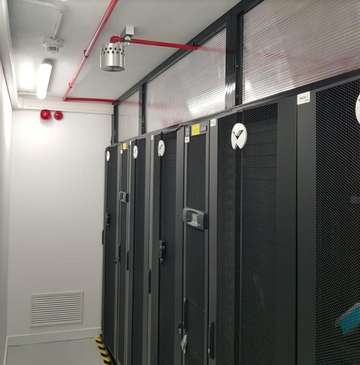
LifeWatch Romania data centre, high-performance computing and virtual laboratories
Details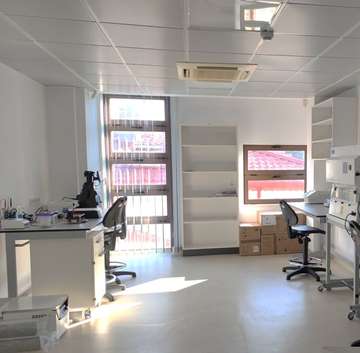
Coordinates the Brăila Islands LTSER platform and the flux station on the Big Island of Brăila
Details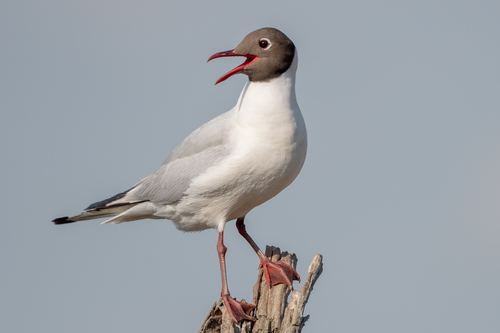
River ecosystem monitoring with drones, bathymetry, sensors and sediment geochemistry
Details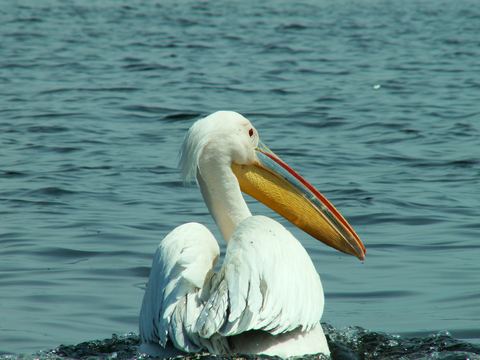
Delta, beach and coastal dynamics, storms and sea-level rise
DetailsStations and LTSER platforms
Brăila coordinates the monitoring of the Brăila Islands, Sfântu Gheorghe works in the Danube Delta, and the data centre in Sinaia serves the Bucegi-Piatra Craiului, Neajlov and Brăila Islands platforms.
Platformele LTSER →Access
We host research teams, students on placement and project partners. Requests for access to laboratories and equipment go to the IC LifeWatch director at least 14 days ahead, after a discussion with the laboratory manager.
The period, number of people, what you want to measure, the equipment you need and the funding source.
Accommodation, water transport at Brăila and Sfântu Gheorghe, access to the laboratories and the data centre, all set out in the access agreement.
Datasets produced at the stations are described in DEIMS and released under an open licence after the agreed embargo period.
LifeWatch Romania is the University of Bucharest's collocated LifeWatch, eLTER and ICOS research infrastructure. The Brăila and Sinaia stations are coordinated by the Research Centre in Systems Ecology and Sustainability (RCSES) at the Faculty of Biology.