Skip to content

Faculty of Biology · RCSES · since 1955

Brăila research station

Danube floodplain, Brăila Ponds · Brăila county

Research station in the Danube floodplain, founded in 1955. It coordinates the monitoring of the Brăila Islands LTSER platform and hosts LifeWatch, ICOS, DANUBIUS and LTER components.

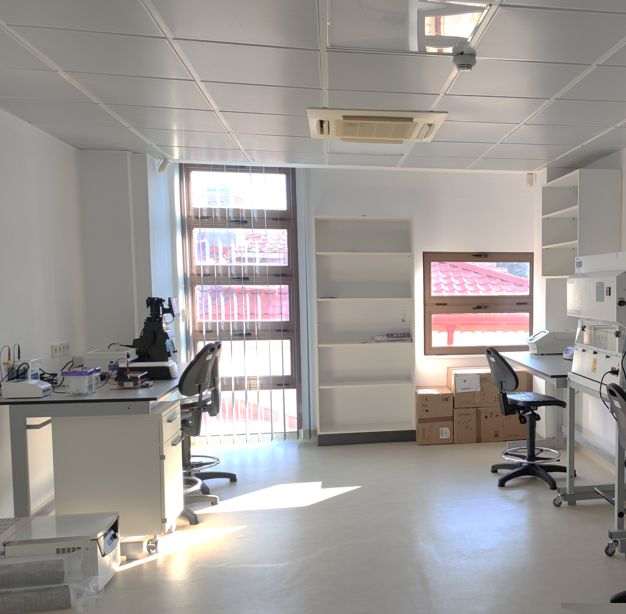
Genetics laboratory for ecosystem studies, Brăila
The LifeWatch Romania project

The base for the Brăila Islands LTSER platform, with a laboratory in Brăila, the Stăncuța field lodge, research vessels and a floating laboratory. LifeWatch added laboratories for floodplain ecology and for genetics applied to wetland ecosystem studies.

What you will find here

  • Floodplain ecology laboratory
  • Genetics laboratory for wetland ecosystem studies
  • Stăncuța field lodge, research vessels and floating laboratory
  • ICOS flux station on the Big Island of Brăila
All the project's laboratories →

RCSES projects supported by the station

  • LifeWatch RomaniaPOC 2014–2020, ERDF · POC/448/1/1/126867 · 2020–2023
    All four stations and the Sinaia data centre
  • Restore4LifeHorizon Europe · GA 101112736 · 2023–2027
    Coordination from RCSES and Brăila, demonstration site on the Enisala Channel in the Danube Delta
  • RESTORE4CsHorizon Europe · GA 101056782 · 2023–2025
    The Romanian pilot in the Danube Delta
  • CROSSEUHorizon Europe
    Case Study 6, Lower Danube, with the Brăila hydrology study
  • EMPOWERALLHorizon Europe
    Agroecology living lab in the Brăila Islands LTSER platform
  • ROWEREuropean restoration project
    Danube Delta, with Carasuhat as the main site
  • SELINAHorizon Europe · 2022–2027
    RCSES team
  • eLTERHorizon 2020 and Horizon Europe
    The LTSER platforms, with the Brăila Islands as the reference platform
  • RIVER-EYEHorizon Europe · Twinning
    RCSES team, supported by the Sinaia data centre
  • PathChangeBiodiversa+
    The Romanian case study
  • DANUBIUS-RO-2National programme · since 2025
    The Danube–Delta–Black Sea system
All projects supported by the infrastructure →

Partners and living lab

Local partner

Brăila Agricultural Research and Development Station (SCDA Brăila)

The agricultural partner of the Brăila Islands LTSER platform. It runs an experimental centre at Polizești, the village that also hosts the LifeWatch network's POLI flux station, and together we work on the links between farming in the Danube floodplain and its ecosystems.

scdabraila.ro
ENoLL · Living lab

The Brăila Islands, a living lab in the ENoLL network

SCDA Brăila coordinates AGRODATASMART, a living lab that is a member of the European Network of Living Labs (ENoLL), together with the AGROSMART cluster, an association of 15 members ranging from farmers and universities to companies and local authorities. The living lab develops precision agriculture with sensors, satellite images, weather stations and drones to reduce pesticide use.

Through this partnership, the whole Brăila Islands LTSER platform is part of ENoLL. Researchers, farmers, administrations and local communities test solutions for the Danube floodplain here together.

Istoric

The station started in 1955 as a hydrobiological base for university teaching and research. It was led by academician Nicolae Botnariuc, then by professor Angheluță Vădineanu, and hosted the field training of biology students. Research focused on the aquatic and terrestrial ecosystems of the Lower Danube.

Long-term monitoring

Parameters monitored in the Danube floodplain:

  • Regional climate and hydrology
  • Nutrients in sediments and water
  • Structure of benthic communities
  • Structure and productivity of aquatic, terrestrial and wetland vegetation
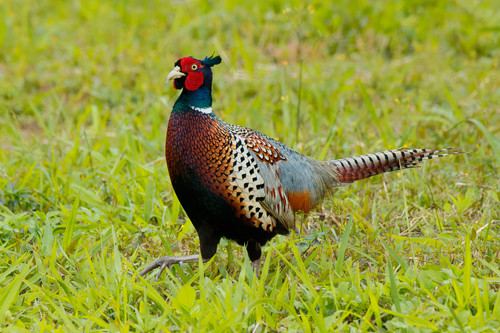
  • Structure of waterbird communities

Research modules

  1. 01Telemetry and remote sensingTracking species dispersal and migration, ecosystem mapping.
  2. 02Bird biodiversitySpecies-level identification and monitoring, from audio and video recordings.
  3. 03Procese ecologiceEcosystem-scale sensors and experiments.
  4. 04Senzori in situSoil moisture, temperature and conductivity, complemented by chemical analyses.
  5. 05Genetics and biodiversityGenetic analyses for taxonomy and phylogeny.
  6. 06Sistem informaticManaging large datasets on the wetlands of the Danube floodplain.

Equipment

  • Sampling points for each habitat type
  • Intensive monitoring station with weather and soil sensors, including sensors in deep wells, with real-time data
  • Portable LI-COR equipment for long-term measurement of soil CO₂
  • Drones, satellite systems and automatic stations
  • Genetics and molecular biology laboratory for taxonomy, phylogeny, proteomics and metabolomics
  • Transport and communication equipment for field campaigns

Ecosisteme studiate

The work area covers the Lower Danube System, the Romanian Plain and the Dobrogea Plateau and Mountains.

  • Farmland, grasslands and forests
  • Shallow lakes and the Danube river
  • Wetlands and marshes

Data in the explorer

LifeWatch Romania is the University of Bucharest's collocated LifeWatch, eLTER and ICOS research infrastructure. The Brăila and Sinaia stations are coordinated by the Research Centre in Systems Ecology and Sustainability (RCSES) at the Faculty of Biology.

University of BucharestRCSES, Research Centre for Systems Ecology and Sustainability